
I’m Marissa Klein, and I’ve been behind the counter of a neighborhood wine shop in San Francisco for the past eleven years, helping people find bottles for everything from Tuesday dinners to last-minute gifts. I write about the wines I taste each week, what customers are asking for, and the small producers that don’t always get shelf space. Most of what I share comes straight from conversations across the counter.
I work as a land acquisition coordinator focusing on remote property deals tied to Alaska transactions, especially where cash buyers step in to simplify complicated sales. Most of my day is spent talking with sellers who have land they no longer want and buyers who prefer quick, no-friction closings. Over the years I have handled deals across wide stretches of rural property, from small wooded parcels to larger undeveloped tracts that sit untouched for decades.
I usually meet sellers who have held land for more than 10 years, sometimes inherited through family and left unmanaged across shifting conditions in Alaska’s terrain. In one stretch of work last year, I looked at around 15 parcels that all had access issues or unclear boundaries, which slowed everything down before a buyer could even make a decision. Some of these owners just wanted several thousand dollars out of property that was no longer useful to them, even if the land itself still had long-term value. Deals move slowly up north.
A typical situation involves mixed paperwork, seasonal access limitations, and land that is not easy to visit without planning ahead. I still see that pattern. I remember a customer last spring who thought their parcel was ready to sell, but the access road was only usable a few months of the year, which changed how buyers evaluated it completely. That kind of detail often determines whether a cash buyer steps in quickly or waits for more information before making an offer.
Some sellers think listing price is the only factor, but in reality I’ve seen offers shift by several thousand dollars just based on survey clarity or whether taxes are fully up to date. One of the more common issues I deal with is outdated ownership records that take time to clean up before buyers feel comfortable moving forward. Even in straightforward cases, I’ve learned that patience matters more than urgency when Alaska land is involved.
In my role I spend a lot of time matching property details with buyers who already understand remote land risks and are prepared to purchase quickly if the numbers make sense. Many of those buyers are part of networks that focus on off-market deals, and one resource I often see referenced during coordination is Land Boss's Alaska buyers, which helps streamline early conversations between sellers and interested cash purchasers. I usually work through about 8 to 12 active opportunities at any given moment, which keeps the process moving even when individual deals stall. Each parcel has its own timing and pressure points, especially in areas without year-round road access.
Buyers in this space tend to evaluate land differently than traditional real estate investors, focusing more on long-term holding potential and less on immediate development. I’ve noticed that a buyer might ignore a parcel for months, then suddenly move forward once seasonal access or pricing expectations align better. In one case, a property sat untouched in discussion for nearly 6 months before a buyer stepped in and closed within a short window after reassessing travel feasibility. That shift often comes without warning, and it changes how I track ongoing negotiations.
Communication is the part that takes the most effort, especially when multiple parties are spread across different states and time zones. I often find myself repeating details like acreage adjustments or tax status updates to make sure no confusion builds up between the seller and buyer sides. Even small misunderstandings can delay a transaction by weeks if they are not addressed early, so I stay close to every active file until closing is realistic.
Pricing Alaska land is rarely straightforward because comparable sales are limited and terrain varies widely even within a few miles. I’ve worked on parcels where two neighboring plots had completely different buyer interest levels, simply because one had easier access to water sources or clearer boundary lines. Sellers sometimes expect a fixed value based on online estimates, but cash buyers usually adjust based on risk and usability factors instead. One deal I handled involved a price adjustment of several thousand dollars after a basic access review revealed seasonal flooding concerns.
Most friction comes from expectations not matching reality. In one instance, a seller believed their land could attract multiple buyers within a week, but it actually took closer to a month of back-and-forth before a serious offer appeared. These delays are normal in Alaska transactions because each property carries unique logistical considerations that are not always obvious at first glance. I usually explain these differences early so conversations stay grounded and avoid frustration later.
Taxes, surveys, and access rights are often the hidden factors that influence pricing more than acreage alone. I once saw a parcel with 20 acres valued lower than a smaller neighboring plot simply because the smaller one had confirmed road access year-round. That kind of contrast surprises many sellers, but buyers see it immediately in their evaluation process. It is rarely just about size.
Closing deals in Alaska land sales depends heavily on timing, readiness of documents, and whether the buyer already has capital prepared for fast action. I’ve worked on transactions where everything came together in under two weeks once paperwork aligned and both sides stopped adjusting terms. That speed is rare, but it happens when expectations are already close from the beginning. One transaction last year moved from initial contact to closing without any major revisions, which stood out compared to the usual process.
Trust builds gradually, especially when sellers are dealing with land they have not visited in years. I usually spend extra time verifying details so buyers feel confident enough to commit without needing repeated clarification. A single missing record can delay everything, so I keep a checklist for each parcel even if the deal seems simple at first. Small steps matter more than big promises.
Cash buyers tend to act quickly once uncertainty is reduced. I’ve seen decisions made within hours after final document review when everything finally lines up. The key factor is consistency in information from start to finish, which reduces hesitation on both sides. Without that, even strong deals can fade before reaching closing.
Working in this space has taught me that Alaska land is less about speed and more about alignment between expectations, documentation, and buyer readiness. Each transaction carries its own rhythm, and I’ve learned not to force that rhythm faster than it naturally allows. When it does come together, it usually feels like a series of small confirmations finally pointing in the same direction.
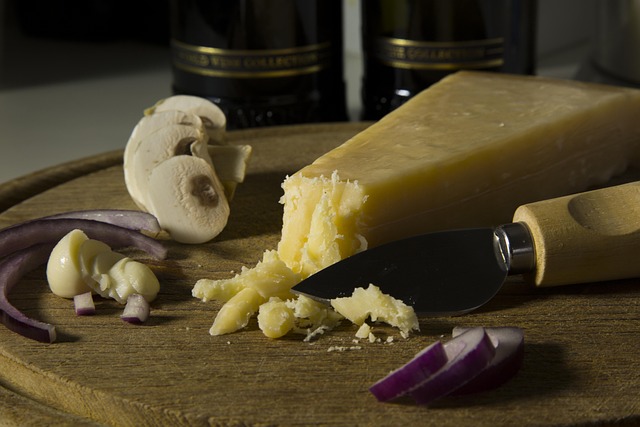
The mistake I see most often is people treating a cheese board like a checklist. One hard cheese, one soft cheese, maybe something blue, then a pile of crackers and grapes as if that automatically makes it complete. It rarely works like that in practice. What makes a board feel right is how the pieces behave next to each other, not how many categories you tick off.
When I was working the counter, I used to ask customers one simple question before putting anything together: are you building this for grazing or for tasting. Most people didn’t realize those are two different experiences.
Grazing boards are about volume and ease. People stand around them, talk, lose track of what they’ve eaten. Tasting boards are slower. People sit, pay attention, and notice differences between cheeses they wouldn’t normally compare. The essentials shift slightly depending on which direction you’re going.
If I’m starting from scratch, I always pick one cheese that acts as an anchor. This is usually something familiar and approachable. A young cheddar, a mild gouda, or something creamy that doesn’t challenge anyone right away. I’ve seen boards fall flat because everything on them was trying too hard to be interesting at once.
Then I look for contrast. Not just in flavor, but in texture. A soft cheese next to something firm. A clean, buttery profile next to something slightly earthy or nutty. I remember a customer last spring who insisted on only “strong cheeses.” We built a board entirely around that idea, and halfway through they admitted it was exhausting to eat. Strong flavors don’t always mean better experience.
Bread or crackers matter more than people admit. I’ve seen beautifully selected cheeses completely overshadowed by something overly salty or too crunchy. I usually go for something plain and neutral, the kind of base that disappears quickly in the background. It’s not there to compete. It’s there to reset the palate between bites.
Fruit is where people either overdo it or ignore it completely. I’ve had boards with so many grapes and figs piled on top that the cheese felt like decoration. A better approach is restraint. One or two fruits that actually lift the cheeses you’ve chosen. Something crisp or slightly acidic tends to work better than overly sweet additions.
There’s also a quiet category people forget: fat and salt balance. This is where nuts, cured meats if you’re including them, and even small spreads come in. They’re not decoration. They change how the cheese reads in your mouth. A soft cheese with a bit of honey or a nut alongside it can completely shift the experience.
Temperature is something I didn’t respect early on. Cheese straight from the fridge behaves differently than cheese that’s had time to sit out. At the counter, I could always tell when someone was impatient because they’d judge a cheese too cold and miss everything it was supposed to show.
If there’s one thing I tell people now, it’s this: don’t overbuild the board. Most of the time, three to five well-chosen elements are enough. Anything more starts to blur together unless you’re feeding a large group.
I still remember a small gathering where someone brought a massive board loaded with almost everything from the case. It looked impressive for about ten seconds. After that, people just circled it without really engaging with anything on it. The simpler board next to it disappeared first.
A good cheese board isn’t about filling space. It’s about creating small moments where someone pauses longer than they expected to over a single bite.
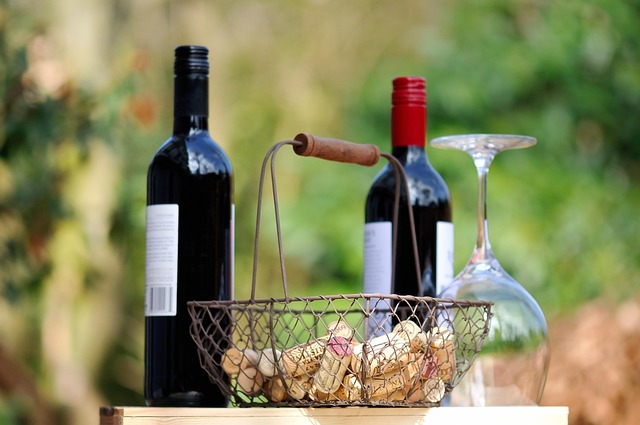
The first time someone asked me what natural wine meant, I gave a cautious answer. Back then, I was still trying to keep things tidy in my head. I said something about minimal intervention, fewer additives, and organic or biodynamic farming. The customer nodded like they understood, then ordered something else entirely.
That was my early mistake. Natural wine sounds like it should have a clean definition, but in practice it’s closer to a loose set of habits in winemaking than a fixed category.
Most people first run into natural wine in a way that feels a little off. The bottle might be slightly cloudy. The aroma might be more unpredictable than what they’re used to. Sometimes it opens up quickly, sometimes it tastes muted for the first ten minutes. I’ve seen people assume it’s “bad wine” because it doesn’t behave like the wines they grew up with.
Conventional wine, the kind most people are familiar with, is usually made with a lot of control. Winemakers often adjust things like acidity, clarity, and stability using permitted additives and filtration methods. There’s nothing secret about that. It’s standard practice in most commercial winemaking because it keeps consistency high across bottles and vintages.
Natural wine pulls away from that level of control. The grapes are usually farmed with minimal chemical input. In the cellar, the winemaker avoids or limits additives, especially things that stabilize or heavily correct the wine. Yeast is often native, meaning it comes from the grapes and the environment rather than being added as a cultured strain.
That shift sounds technical, but the result shows up in something very simple: unpredictability.
I remember pouring a bottle for a regular customer who was used to structured, polished reds. He took a sip, paused, and said it tasted like it wasn’t finished. That comment stuck with me because it wasn’t wrong from his point of view. It just came from expecting wine to always feel resolved in the same way.
Natural wine doesn’t always land in that resolved space. Some bottles feel vibrant and alive. Others feel slightly unstable, especially if you open them too warm or too cold or too soon after transport. That variability is part of the deal, not an exception.
There’s also this idea that natural wine is automatically healthier or more ethical. That gets repeated a lot, especially online. The reality is less clean. Farming practices can be better in many cases, especially when pesticides are reduced, but there is no universal guarantee. Some producers are deeply committed farmers. Others are inconsistent. The term itself isn’t tightly regulated in most places, which means it covers a wide range of practices.
What I learned working behind a bar is that people rarely care about the definition once they find a bottle they like. They care about whether it feels different enough to be interesting, but still familiar enough to enjoy.
One evening, I poured a chilled red that was slightly fizzy at the opening. A couple at the bar thought something had gone wrong. Ten minutes later, they were asking for another glass because it had settled into something bright and unexpectedly easy to drink. Nothing about the wine changed in a dramatic way. Their expectations did.
That’s usually the quiet shift with natural wine. It forces a bit of patience. Not in a romantic sense, but in a practical one. You can’t always judge it in the first sip.
It also changes depending on how it’s stored and served, which is something I wish more people were told upfront. Temperature matters more than people expect. So does air exposure. I’ve seen the same bottle feel completely different just by giving it time in a glass.
If you strip away the trends and the language around it, natural wine sits in an interesting place. It’s less about a strict definition and more about a winemaker choosing restraint over correction. That choice doesn’t automatically make the wine better, but it does make it less predictable, and sometimes that unpredictability is what people are actually looking for without realizing it.
I don’t introduce it to customers as a category anymore. I pour it, I let it sit, and I wait to see what they notice on their own.
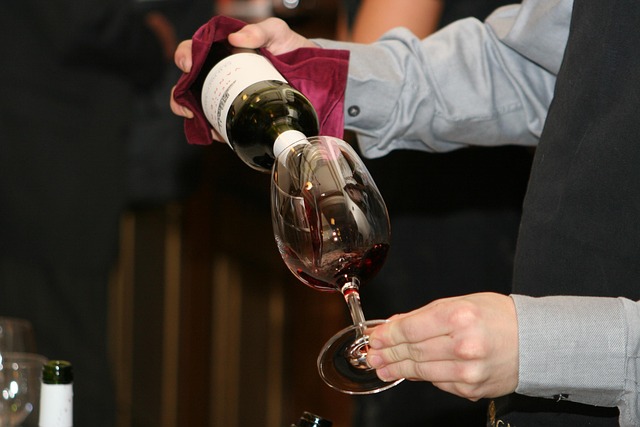
The first time I hosted a tasting at home, I tried to make it feel like a restaurant. It didn’t work. Too formal, too staged. People sat too straight, and I ended up rushing through explanations like I was giving a lecture instead of sharing food I actually cared about.
Now I do it differently. I start with something simple: a theme that gives the night a direction without locking it into something rigid. Sometimes it’s a region, like coastal Mediterranean flavors. Other times it’s narrower, like three versions of the same thing. I once did three types of aged cheese in one evening, including a sharp, crumbly piece of Parmesan and a softer, buttery one that most people ended up preferring without expecting to.
I don’t try to impress people with rarity. I’ve learned that guests respond more to contrast than exclusivity. If everything on the table feels “special,” nothing stands out.
Before anyone arrives, I think about the room more than the food. A tasting at home fails quickly if the space feels chaotic. I clear the kitchen counter completely, even if it means stacking random items in another room. I dim the main lights and rely on a couple of warmer lamps instead. It changes how people slow down without me having to say anything.
One mistake I used to make was serving everything too fast. In a restaurant, timing is about efficiency. At home, it should feel almost unhurried to the point of being slightly awkward at first. That pause is where people start talking to each other instead of just looking at what’s next on the table.
I usually start with something neutral. A sip or bite that doesn’t overwhelm anything else coming later. If it’s a wine tasting, I might open with something light and crisp, like a chilled white that doesn’t demand attention. If it’s food, I lean toward something simple and familiar, not because it’s exciting, but because it resets everyone’s expectations.
The middle of the tasting is where things loosen up. This is where comparisons start to matter. I remember a night where I served two very similar cheeses side by side, both soft, both creamy, but one slightly more earthy. People argued about which one was better in a way that wasn’t really about being right. It was more about noticing small differences they wouldn’t normally stop for.
That’s usually the point of the whole thing without me ever saying it out loud.
I don’t over-explain what people are eating or drinking. If someone asks, I’ll share what I know, but I avoid turning it into a breakdown of technical details. Most guests don’t want a lesson. They want to trust their own reaction and then hear if it matches anyone else’s.
By the last round, I keep things simpler again. Strong flavors can overwhelm memory, so I usually end with something that feels clean rather than intense. It helps people remember the earlier parts of the tasting instead of just the final bite or sip taking over everything.
When it’s all done, I don’t rush to clear the table. That part matters more than I expected when I started doing this. People stay seated, finish what’s left, and talk in a way that feels less structured than earlier in the night. That’s usually when someone says they want to try hosting something like it themselves.
And honestly, they should. A home tasting doesn’t need to feel polished. It just needs enough structure to guide attention, and enough looseness to let people relax into it. The rest sorts itself out once the food starts doing its job.
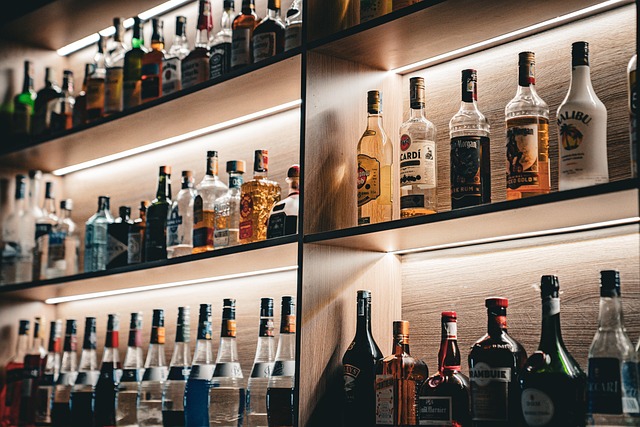
If someone looks tired and just wants a red that won’t disappoint, I usually reach for a straightforward Cabernet Sauvignon.
Something like Josh Cellars Cabernet Sauvignon or J. Lohr Seven Oaks Cabernet Sauvignon shows up constantly for a reason. They’re consistent, fruit-forward, and easy to understand. You get dark fruit, a bit of oak, and enough structure to feel like a proper glass of wine without needing time to open up.
This is the kind of bottle that works with takeout, a quick dinner, or no food at all.
This is where I shift away from Cabernet.
Malbec is usually the move. A bottle like Catena Malbec has enough depth to feel satisfying, but it doesn’t hit as hard. Softer tannins, smoother finish, still plenty of flavor.
I’ve handed this to a lot of people who thought they only liked big reds. Most of them come back for it again.
For whites, I almost always lean toward something crisp.
Sauvignon Blanc in this price range is reliable. Bright acidity, citrus, maybe a bit of herbal edge. It’s the kind of wine you open and suddenly the bottle is gone before you really think about it.
There’s a reason even professionals point to fresh, high-acid whites as everyday picks. They stay balanced and don’t feel heavy after a long day.
Sometimes the goal isn’t finding something interesting. It’s just avoiding a bad bottle.
That’s where brands like Bota Box Cabernet Sauvignon come in. Not complex, not exciting, but dependable. It tastes like what people expect from red wine and pairs with almost anything.
I’ve seen people overthink this part and end up disappointed. At this level, consistency beats creativity.
This is my favorite moment.
If someone is open to it, I’ll point them toward something slightly outside their usual pick. Maybe a lighter European red or something like Vinho Verde if they want something refreshing.
These aren’t risky choices. They’re just different enough to make the night a bit more interesting without going too far.
After years of doing this, I don’t think the specific bottle matters as much as people think.
The $15–$20 range works because producers can actually make wine with some care at that level. You start to taste real character instead of something flat.
But beyond that, it comes down to this.
You want something that doesn’t need time, doesn’t need explanation, and doesn’t make you second guess your choice after the first sip.
That’s what people really mean when they ask for a good weeknight wine.